


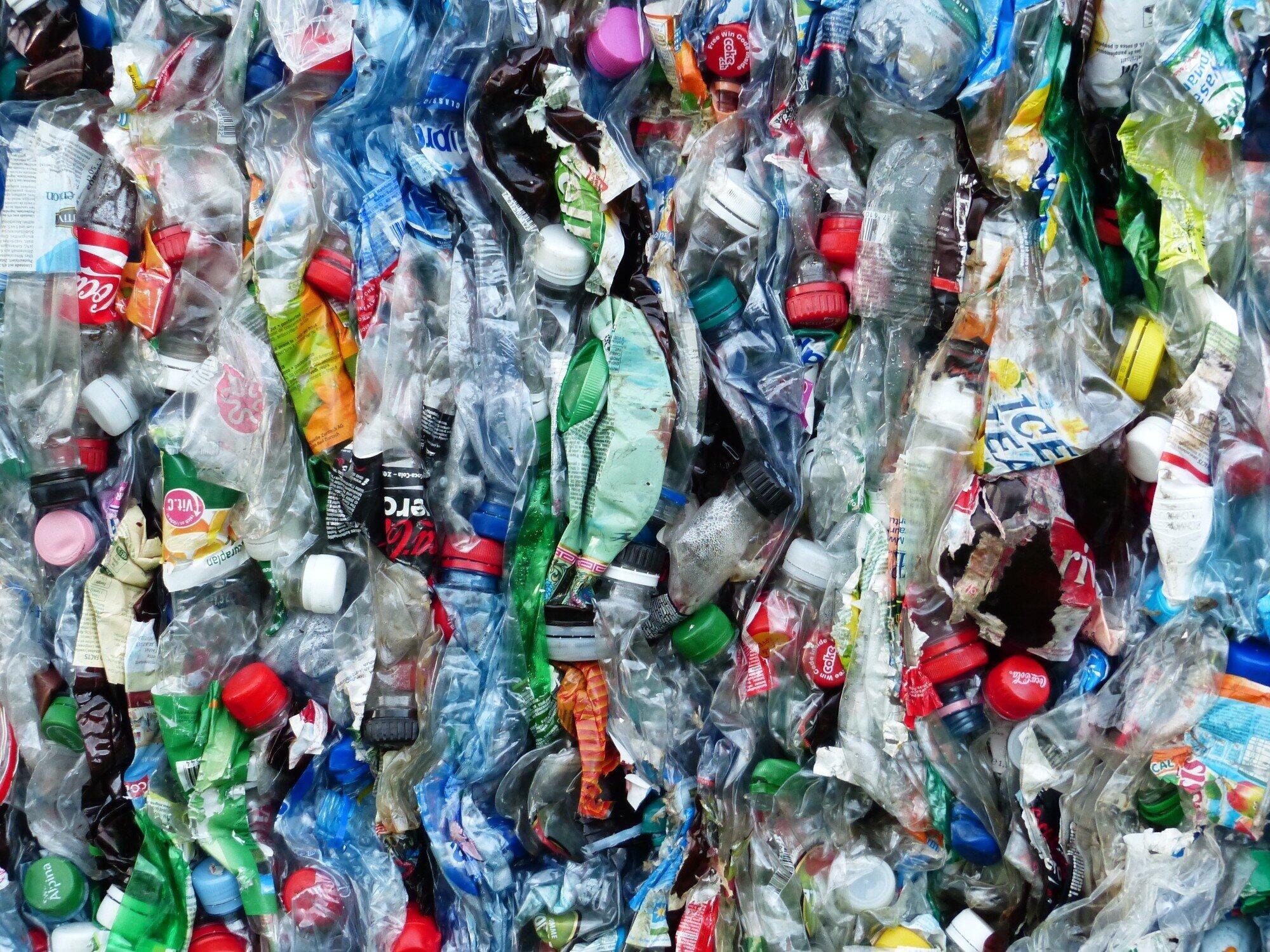
Have you ever wondered what happens to plastic after you place it in a recycling bin? Many people know plastic can be recycled, but not everyone knows about the machines that make it happen. New technology is helping recycling plants work better every day.
Faster machines, smart controls, and better sorting tools help companies recover more plastic and create less waste. These improvements help keep recycling cleaner and make better use of materials. This article looks at new machines that are making plastic recycling faster, cleaner, and more useful.
A New Era of Plastic Recycling
Plastic recycling has changed a lot in recent years. Older machines needed more workers and used more power. New machines work faster and give better results.
Today’s recycling plants focus on saving energy and reducing waste. New machines help improve the quality of recycled plastic. This allows plants to recycle more plastic each day.
Modern equipment can handle materials more easily. It keeps work moving without delays. This helps plants meet growing recycling needs.
Smart Sorting Systems Improve Accuracy
Sorting is an important part of recycling. Different types of plastics must be separated before they are processed. Mixed plastics can lower the quality of the final product.
New sorting machines use sensors, cameras, and smart software. They can find different plastics on moving belts. This helps plants sort materials quickly and correctly.
Many plants now use automatic sorting systems. These machines reduce hand sorting and lower costs. Better sorting also makes recycled plastic more valuable.
Advanced Shredders and Granulators
Plastic must be cut into small pieces before more work can be done. Shredders and granulators do this job. New machines can process more plastic while using less power.
Modern shredders can handle many kinds of plastic. Strong blades help them work for long hours. This keeps production running smoothly.
Granulators turn plastic into small flakes. The flakes are easier to clean and process. They also help other machines work better.
Better Washing Technology for Cleaner Materials
Plastic must be cleaned before it can be reused. Dirt, glue, labels, and other materials must be removed. New washing systems do this job better than older ones.
Many recycling plants use advanced washing lines. These systems include washers, tanks, and drying machines. Together, they produce cleaner plastic.
A high-quality PP PE film washing system helps clean plastic film and packaging. Cleaner plastic makes better recycled products. It also helps reduce contamination later.
Energy-Efficient Processing Equipment
Energy use is a major concern for recycling plants. Large machines need power every day. New equipment is designed to use less energy.
Many modern motors adjust power based on the work being done. This helps reduce wasted energy. Plants can lower costs and save resources.
Better machine designs also help save power. Improved systems use energy more efficiently. This supports cleaner recycling operations.
Smart Automation and Real-Time Monitoring
New recycling machines use several technologies together. Sensors, automation, and monitoring tools improve performance. This makes recycling more reliable.
Operators can check machine performance in real time. Digital systems show output, quality, and maintenance needs. This helps workers make better decisions.
Automation also reduces downtime. Machines can adjust settings when materials change. This helps keep production running smoothly.
High-Performance Extrusion and Pelletizing
After cleaning, plastic is often melted and turned into pellets. These pellets are used to make new products. Modern systems improve this process.
New extruders provide better temperature control. This helps create more consistent recycled plastic. Manufacturers can use the pellets more easily.
Advanced pelletizing systems can also increase output. Better cooling and cutting improve product quality. This helps plants work more efficiently.
Compact Recycling Plant Design
Modern recycling plants are designed to use space more efficiently. New machine layouts help reduce travel time between processing stages. This allows materials to move through the system more smoothly.
Compact equipment helps plants increase production without needing larger buildings. Machines can be arranged to support a steady workflow. This improves efficiency and makes daily operations easier to manage.
Better plant design also supports future growth. New equipment can often be added without major changes to the facility. This helps recycling companies expand as demand increases.
Data-Driven Quality Control
Quality is very important in plastic recycling. Recycled plastic must meet certain standards before it can be used again. New technology helps plants check quality more accurately.
Modern machines collect data during each stage of production. Sensors track temperature, moisture, and material flow. This information helps workers maintain consistent results.
Data-driven systems can also detect problems quickly. Operators receive alerts when performance changes. Fast action helps reduce waste and improve product quality.
Improved Maintenance and Equipment Reliability
Regular maintenance helps machines work well. Modern equipment is easier to check and repair. This helps reduce delays.
Many machines now have built-in monitoring tools. These tools can find problems early. Small issues can be fixed before they grow.
Stronger materials also improve machine life. Equipment can handle heavy use for longer periods. This helps lower repair costs.
Flexible Systems for Different Plastic Types
Recycling plants often process many kinds of plastic. Modern machines can handle different sizes and shapes. This gives plants more flexibility.
Advanced systems can be adjusted for different materials. Operators can change settings quickly. This saves time and keeps production moving.
Flexible equipment also helps plants meet new demands. As new plastic products appear, recycling facilities can continue to process them.
Stronger Focus on Sustainability
Sustainability is a key goal in recycling. New machines help recover more plastic that might otherwise be thrown away. This allows materials to be used again.
Many equipment makers work to reduce water and energy use. Better designs help save resources while maintaining good performance. This supports cleaner recycling.
Improved machinery also helps companies follow environmental rules. Cleaner processing and better recovery rates support long-term goals. This helps protect natural resources.
Driving the Future of Recycling Success
The future of plastic recycling depends on better technology. New machines improve sorting, cleaning, shredding, and pellet production. They help reduce waste and recover more useful materials.
As recycling needs grow, advanced equipment will become more important. Companies that invest in modern systems can improve productivity and stay ready for change.
Did this guide help you? Browse the rest of this section for more helpful tips and information.
